
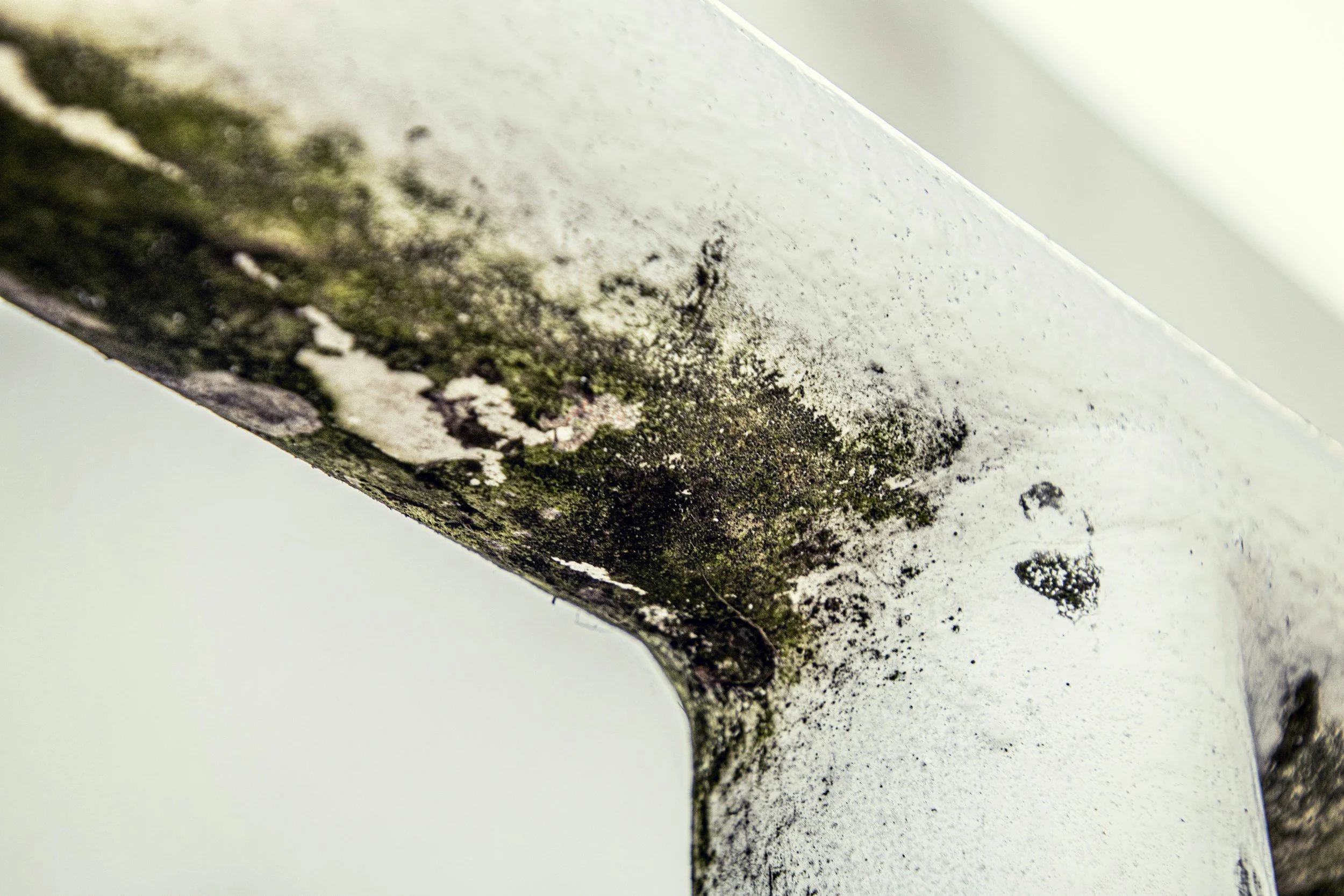
Mold in a rental home usually points to a moisture problem. A leaking pipe, damaged roof, poorly sealed window, flooding, or inadequate ventilation may allow it to develop on walls, ceilings, carpet, furniture, and other materials.
Renters should report visible mold, musty odors, leaks, and continuing dampness promptly. Good documentation can show when the problem appeared, how it changed, when the landlord received notice, and what repairs were attempted.
Landlord duties, repair deadlines, inspection procedures, and tenant remedies vary by state and city. There is no single process that applies to every rental in the United States.
Address Active Water Problems Immediately
Report an active leak, flooding, sewage backup, or other urgent water problem as soon as it is discovered. Use the landlord’s emergency maintenance number when one is available, then confirm the report in writing.
The Environmental Protection Agency states that moisture control is the key to controlling mold. Cleaning the visible growth without correcting the leak or damp condition will probably allow the problem to return.
Water-damaged materials should generally be dried quickly. EPA guidance recommends drying wet areas and items within 24 to 48 hours when possible to help prevent mold growth.
Do not enter an area with electrical hazards, sewage, structural damage, or contaminated floodwater. Contact emergency services or the appropriate local authority when the condition presents an immediate danger.
Photograph the Condition Clearly
Take dated photographs and videos before cleaning, moving damaged items, or allowing repair work to begin.
Capture:
A wide view showing the room
A closer view of the affected surface
The nearby ceiling, window, pipe, vent, or appliance
Water stains, bubbling paint, or damaged flooring
Drips, standing water, or condensation
Personal property damaged by moisture
The same location over time if the condition spreads or returns
Include an object that shows scale, such as a ruler, when practical. Do not touch or disturb the growth simply to create a better photograph.
Back up the files somewhere other than the affected home. Keep the original files because they may preserve dates and other useful information.
Create a Written Timeline
A timeline can connect the visible condition with leaks, weather events, plumbing failures, and repair attempts.
Record:
When the problem was first noticed
Where it appears
Approximate size or extent
Whether the area feels damp
Any musty odor
Recent leaks, flooding, or condensation
Dates and times of maintenance requests
Names of people contacted
Dates workers entered the unit
What each worker inspected or repaired
Whether the mold or moisture returned
Describe what you observed without presenting a guess as a confirmed cause. For example, write “water appears below the bedroom window after rain” instead of stating that the roof is defective unless a qualified person has confirmed that conclusion.
Preserve Communications and Repair Records
Keep copies of emails, letters, maintenance tickets, text messages, portal submissions, inspection reports, and notices of entry.
After a telephone conversation, send a short written follow-up:
“Thank you for speaking with me today. This confirms that I reported water entering beneath the living-room window and visible mold-like growth on the wall. You stated that maintenance would inspect it on Tuesday.”
Take a screenshot showing that an online maintenance request was submitted. If the portal later closes the request without resolving the problem, save that screen as well.
Keep receipts for reasonable expenses connected to the condition, such as damaged belongings, temporary lodging, cleaning supplies, or medical visits. Whether those costs can be recovered depends on the facts and applicable law.
Notify the Landlord in Writing
Even if maintenance staff already know about the condition, send written notice to the person or address specified in the lease.
The request should include:
Tenant’s name and address
Date
Exact location of the problem
Description of visible mold, moisture, odors, or damage
Date the condition was first noticed
Any active leak or known water event
Previous reports or repair attempts
A request to inspect and correct the moisture source
A request to address damaged materials and visible growth
Reasonable times when the unit is accessible
A request for written confirmation of the repair plan
Use a delivery method allowed by the lease and local law. Email or a maintenance portal may be sufficient in some situations, while another jurisdiction or lease may call for mailed or personally delivered notice.
Use a Clear Repair Request
A written request might say:
“On October 12, I found visible mold-like growth and damp drywall on the bedroom wall below the window. The area is approximately three feet wide, and water enters near the window during rain. I previously reported the leak through the maintenance portal on October 5.
Please arrange a prompt inspection, repair the source of the moisture, dry or replace damaged materials as appropriate, and address the visible growth. Please confirm the inspection date and proposed work in writing. I am available to provide access on weekday mornings or by appointment.”
Avoid threatening language in the first request. A factual description, supporting photographs, and a specific request create a clearer record.
Request a Complete Repair
Painting over a stain or applying a surface spray may not solve the underlying problem. Ask what caused the moisture and what work will prevent it from returning.
A complete response may involve:
Repairing a pipe, roof, window, or drainage problem
Correcting ventilation or humidity problems
Drying building materials
Removing materials that cannot be cleaned adequately
Cleaning affected surfaces safely
Checking nearby areas for hidden moisture
Restoring walls, flooring, or ceilings
Confirming that the repaired area remains dry
The appropriate work depends on the extent of the problem and the materials involved. Large areas, contaminated water, hidden growth, HVAC involvement, or serious health risks may require experienced professionals.
Understand the Limits of Mold Testing
Renters sometimes believe they must pay for laboratory testing before requesting repairs. EPA guidance states that sampling is generally unnecessary when visible mold growth is present.
The EPA has not established federal limits for mold or mold spores in indoor air. A test result therefore does not determine whether a building complies with a general federal mold limit.
Testing may be useful in particular circumstances, but it should be designed and interpreted by someone with appropriate experience. A landlord should not ignore a documented leak or visible growth merely because the renter has not identified the species of mold.
The practical priorities are finding the moisture source, correcting it, and addressing the affected materials.
Be Cautious With Do-It-Yourself Cleanup
A renter may be able to clean a very small amount of surface growth in an appropriate situation, but cleanup should not replace reporting a leak or building defect.
Do not undertake extensive demolition, remove drywall, open walls, disturb contaminated insulation, or work around sewage and electrical hazards without proper authorization and protection. Doing so may create safety issues, spread contamination, violate the lease, or destroy useful evidence.
People with asthma, significant allergies, chronic lung disease, or weakened immune systems may face greater risks from mold exposure and should seek medical guidance before entering or cleaning a heavily affected area.
Never mix bleach with ammonia or other cleaners. Follow product directions and official safety guidance if any cleaning is performed.
Document Health Concerns Appropriately
According to the CDC, damp buildings and mold exposure have been associated with respiratory symptoms, allergic rhinitis, worsening asthma, and other health problems. Individual symptoms can have many possible causes, however.
Record when symptoms occur and seek care from a qualified health professional when needed. Tell the clinician about the housing conditions, but do not ask the landlord or a mold test to diagnose an illness.
Seek urgent medical assistance for serious breathing difficulty or another medical emergency.
Keep copies of visit summaries, instructions, and related expenses. Medical records are private; renters considering whether to share them with a landlord should disclose only what is necessary and may wish to obtain legal advice.
Allow Proper Access for Repairs
Review the lease and local notice rules for landlord entry. Offer reasonable access and keep a record of scheduled visits.
Before workers begin, photograph the affected area and nearby property. After the work, record:
Date and time
Names or company names of workers
Work performed
Materials removed or replaced
Whether the water source was repaired
Whether the area appears dry
Any instructions provided
Whether the condition returns
Do not obstruct reasonable repair access. If the proposed timing creates a genuine problem, respond promptly and offer alternatives.
Follow Up if the Problem Is Not Corrected
If management does not respond or the problem returns, send a second written notice. Refer to the first request and include updated photographs.
Ask for:
A specific inspection date
A written repair schedule
An explanation of work already performed
Confirmation that the moisture source will be corrected
Information about temporary relocation if the work makes the unit unusable
Keep the tone factual. Each communication should make it easy for a third party to understand the history later.
Contact the Appropriate Local Agency
Housing and health enforcement is often handled locally. Depending on the jurisdiction and property, assistance may be available from:
City or county housing-code enforcement
Local building department
Local or state health department
State consumer-protection or housing agency
Public housing authority
HUD Multifamily Housing Complaint Line
Local legal-aid organization
Tenant-rights organization
Ask what the agency inspects, how to submit evidence, whether the landlord receives notice, and whether the tenant must be present.
HUD-assisted housing may be subject to additional inspection standards. HUD’s NSPIRE program includes standards addressing water leaks and mold-like substances in covered housing, but the program’s application and procedures depend on the housing assistance involved.
Do Not Use Self-Help Remedies Without Checking the Law
Tenants sometimes consider withholding rent, paying for repairs and deducting the cost, terminating the lease, or moving into a hotel and demanding reimbursement.
These remedies are highly dependent on state and local law. They may require specific written notices, waiting periods, inspections, court procedures, or escrow payments. Using the wrong procedure can expose a tenant to late fees, debt collection, or eviction proceedings.
Before withholding rent, arranging major repairs, breaking the lease, or making deductions, consult a local tenant attorney, legal-aid office, or official state tenant guide.
Retaliation protections also vary. Continue paying rent as required unless a qualified local source advises that a lawful alternative applies to the specific situation.
Protect the Record From Beginning to End
Keep a single folder containing:
Lease and addenda
Move-in inspection report
Photographs and videos
Timeline
Repair requests
Landlord responses
Inspection reports
Receipts
Notices of entry
Medical documentation, if relevant
Records showing whether the condition returned
Documentation does not guarantee a particular legal result. It does, however, provide a clearer record of the condition, notice, access, and response.
The most effective repair addresses both parts of the problem: the visible mold or damaged material and the source of moisture that allowed it to develop.
This article provides general information, not individualized legal or medical advice. Landlord obligations, notice requirements, repair deadlines, inspection standards, rent-withholding rules, and available remedies vary by state and locality. Consult an official housing agency or qualified local attorney before taking legal or financial action.
