
Cockroaches, rodents, bed bugs, and other pests can affect a renter’s health, belongings, and ability to use the home. They can also spread between units through walls, pipes, hallways, and shared spaces.
Responsibility for inspection and treatment depends on the lease, the cause of the problem, the type of housing, and state or local law. A tenant may be responsible for conditions caused within the unit, while a landlord may be required to correct building defects or an infestation affecting multiple apartments. The rules are not identical everywhere.
Whatever the cause, prompt reporting and careful documentation can help establish when the problem began, how serious it became, and whether the landlord responded.
Record the Signs of an Infestation
Begin documenting the problem as soon as pests or their signs appear. Useful evidence may include:
Photographs or videos of insects or rodents
Droppings, nesting material, gnaw marks, or damaged food packaging
Holes around pipes, cabinets, walls, or baseboards
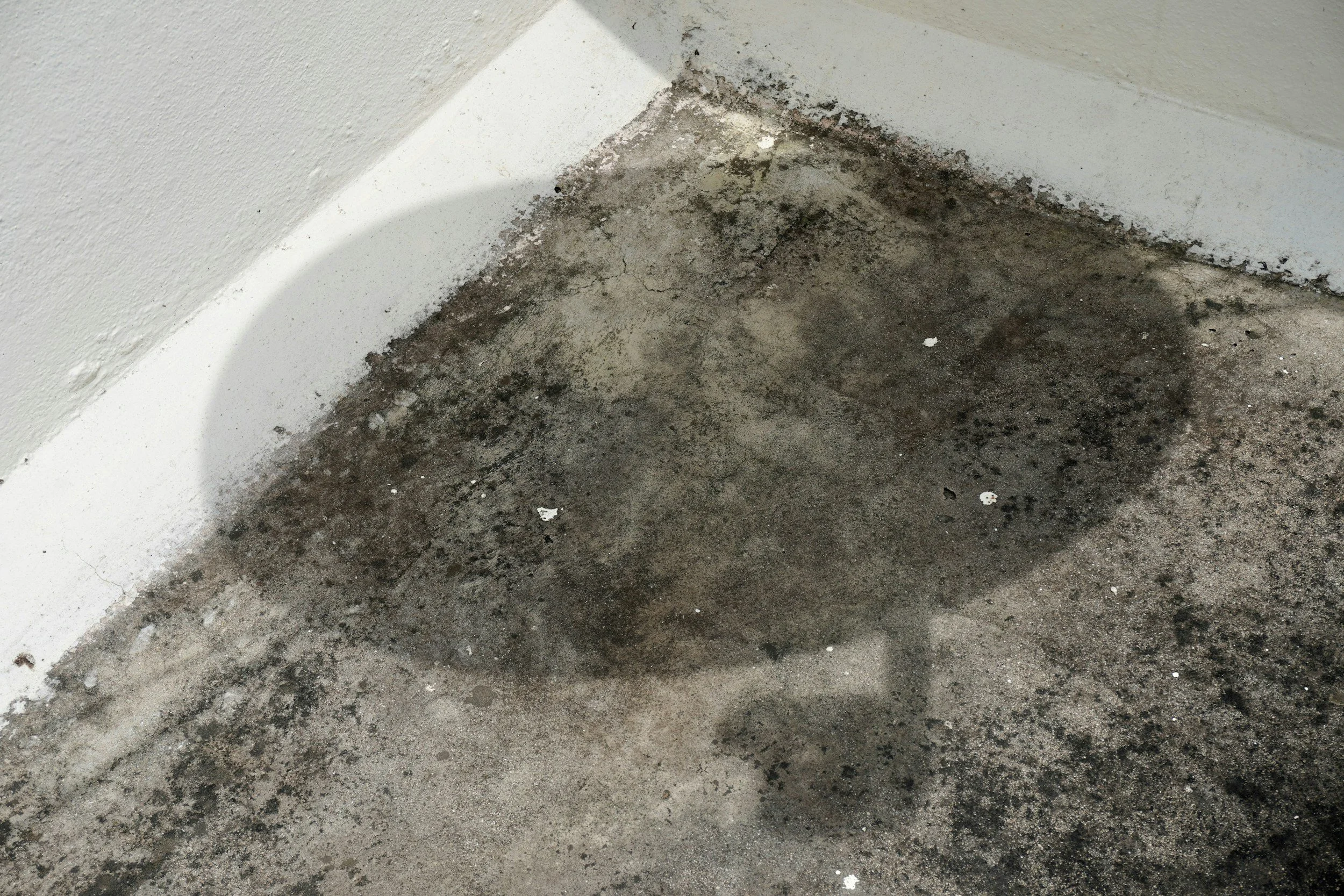
Water leaks or damp areas that may attract pests
Insects found on mattresses, furniture, or clothing
Bites or skin reactions
Damaged belongings
Pests in hallways, laundry rooms, trash areas, or other shared spaces
Take clear photographs with enough surrounding detail to show where the evidence was found. A close-up of a bug may help with identification, but a wider photograph can show that it was beside a bed, inside a cabinet, or near an opening in the wall.
Do not handle rodents, droppings, nests, or unknown insects with bare hands. The CDC’s rodent-control guidance explains that rodents and their waste can expose people to disease.
Keep a Pest Activity Log
Create a written timeline and update it whenever something happens. Record:
Date and time of each sighting
Room or common area
Type and number of pests seen
Photographs or videos taken
Property damage
Bites, odors, or other effects
Conversations with management
Inspection and treatment dates
Instructions received from the landlord or pest-control company
Whether activity improved, remained unchanged, or worsened
Preserve copies of emails, text messages, maintenance requests, letters, and voicemail recordings when lawful. If a conversation happens by telephone or in person, send a short follow-up message summarizing what was discussed.
Review the Lease and Local Rules
Look for lease sections addressing:
Pest reporting
Cleaning and sanitation
Access for inspections
Treatment preparation
Pest-control charges
Bed bug procedures
Maintenance requests
Prohibited pesticides or treatments
Lease language does not necessarily override state or local housing law. Many jurisdictions have habitability, building-code, or pest-specific requirements, but the details vary considerably.
The EPA notes that state and local rules may impose different reporting, inspection, and response obligations, particularly for bed bugs. Its overview of bed bug laws and regulations directs renters and property owners to check current state and local requirements.
Useful local sources may include the housing department, code-enforcement office, health department, attorney general, consumer-protection agency, or legal-aid organization.
Notify the Landlord in Writing
Report the problem through the method required by the lease or rental portal. If the lease permits several methods, written notice creates a clearer record than a telephone call alone.
The notice should include:
Rental address and unit number
Date the problem was discovered
Type of pest or signs observed
Rooms or areas affected
Whether the problem appears in common areas
Related leaks, holes, or building defects
Previous reports or treatments
A request for inspection and appropriate treatment
A request for the expected response date
Times when the tenant can provide access
Keep the language factual. The tenant does not need to prove exactly how the infestation began before requesting an inspection.
Sample Pest Repair Request
Subject: Pest infestation and request for inspection at [address and unit]
I am writing to report signs of a possible [type of pest] infestation in my rental unit. I first observed the problem on [date]. Evidence has been found in [rooms or locations], including [brief description of sightings, droppings, damage, bites, or entry points].
I have attached photographs and a record of the dates and locations. I also noticed [leak, hole, damaged screen, gap around a pipe, or other relevant condition].
Please arrange a professional inspection and appropriate treatment. Please also let me know the expected inspection date, any preparation instructions, and whether adjacent units or common areas will be inspected.
I am available to provide access on [dates or times]. Please respond in writing with the next steps.
Thank you,
[Name]
[Telephone number]
[Email address]
Allow Reasonable Access for Inspection and Treatment
A landlord or pest-control professional may need access to identify the pest, locate entry points, and treat the unit. Entry-notice rules vary by jurisdiction, although emergencies may follow different procedures.
Ask for written information about:
Inspection date and arrival window
Areas that will be inspected
Treatment method
Products that may be used
Required preparation
Safety precautions
Time residents and pets must remain away
Follow-up visits
Cleaning after treatment
Responsibility for moving or discarding items
Follow reasonable preparation directions when they are safe and consistent with the lease and local law. Failure to prepare may reduce the treatment’s effectiveness or lead to disputed charges.
Document the condition of the unit before moving furniture or placing belongings in bags.
Avoid Unsafe Do-It-Yourself Treatment
Using several pesticides at once, applying products contrary to label directions, or setting off foggers without understanding the risks may harm people, pets, and property. It can also scatter pests into other parts of a building.
The EPA recommends an integrated pest management approach. This combines inspection, monitoring, removal of food and water sources, sealing entry points, and carefully selected treatments. Its guidance on pest control in multifamily housing emphasizes cooperation among residents, property managers, maintenance staff, and pest-management professionals.
For bed bugs, the EPA advises that effective control may require several methods and follow-up monitoring. Throwing away a mattress or spraying visible insects may not eliminate an established infestation.
Document Treatment and Follow-Up
After each visit, record:
Name of the company and technician
Date and time of service
Areas inspected or treated
Pest identified
Products or methods used
Preparation instructions followed
Recommended repairs
Follow-up date
Continued pest activity
Ask for a service report when available. If pests remain after the expected treatment period, notify management again in writing and include updated evidence.
A single treatment may not solve every infestation. The EPA’s bed bug management guidance for landlords recommends prompt inspection, resident cooperation, consideration of adjacent units, and continued monitoring after treatment.
Escalate Through the Appropriate Local Channel
If the landlord does not respond or the treatment is ineffective, check the procedures available in the rental’s location. Depending on the jurisdiction and housing program, possible contacts may include:
Local code enforcement
City or county health department
Housing authority
State consumer-protection agency
Tenant-rights organization
Legal-aid office
Private landlord-tenant attorney
HUD-assisted housing contact, when applicable
Provide copies of the lease, written notices, photographs, inspection reports, and treatment records. Ask what the agency can inspect, what standards apply, and whether a formal complaint creates a public record.
Be Careful With Rent Withholding and Repair Deductions
Some jurisdictions allow tenants to withhold rent, pay for repairs and deduct the cost, terminate a lease, or pursue other remedies when serious conditions are not corrected. Others impose strict notice, timing, documentation, court, or escrow requirements. An incorrect deduction or missed step can expose a tenant to late fees or eviction proceedings.
Do not stop paying rent or deduct pest-control costs based only on general internet advice. Check current state and local law and consider obtaining legal advice before taking financial or lease-ending action.
Retaliation protections also vary. Keep records of complaints, inspections, notices, rent payments, and communications if the landlord takes adverse action after a repair request.
Keep Protecting the Record
A strong pest-infestation file should contain:
Dated photographs and videos
Pest activity log
Lease and pest-related policies
Copies of every written notice
Delivery or portal confirmation
Inspection and treatment reports
Preparation instructions
Receipts for damaged property or temporary lodging
Medical records related to bites or reactions, when relevant
Communications with neighbors, agencies, or legal advisers
Proof that rent was paid
Store a backup outside the rental or in a secure digital account.
Clear documentation cannot guarantee a particular outcome, but it can show that the problem was reported promptly and that the tenant cooperated with reasonable inspection and treatment efforts. Because pest-control duties and renter remedies vary by jurisdiction, the safest next step is to pair a complete written record with reliable local guidance.
This article provides general educational information and is not individualized legal or medical advice. Landlord-tenant laws, notice requirements, and available remedies vary by state and locality.
