
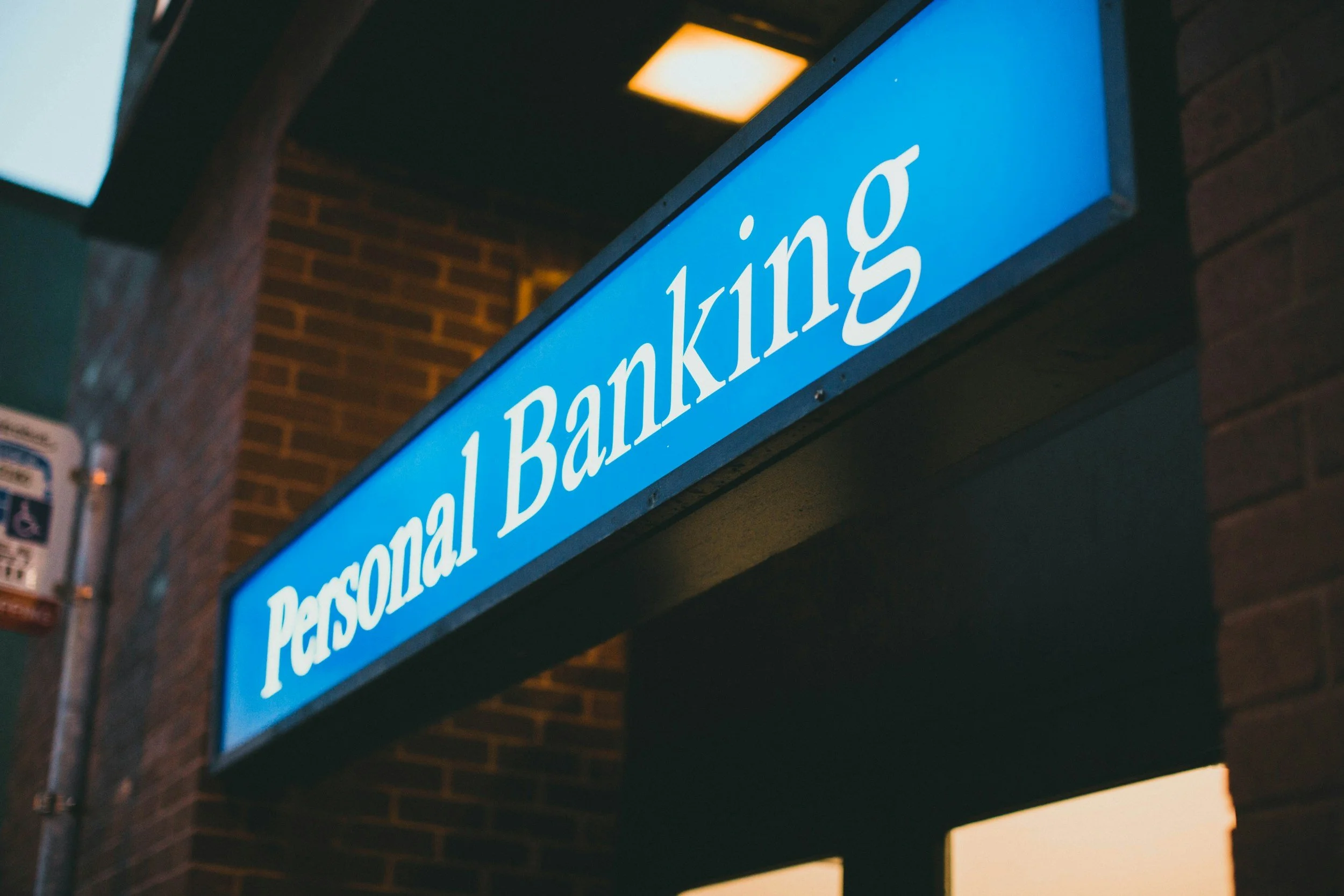
A frozen bank account can interrupt rent payments, automatic bills, debit card purchases, and access to deposited wages. The first step is to determine what “frozen” means in your situation. A complete account restriction, a debit card block, a deposit hold, and an online banking outage are different problems with different solutions.
Contact the bank promptly through a verified phone number, secure banking message, or local branch. Avoid phone numbers and links in unexpected texts or emails, since scammers often impersonate financial institutions.
The bank may not be able to explain every detail of a fraud or regulatory review. It should still be possible to ask what action is required from you, whether any funds remain available, and how to submit supporting documents.
Banking procedures, garnishment exemptions, and court deadlines vary by state and jurisdiction. This article provides general information and is not individualized legal advice.
Confirm What Has Actually Been Restricted
Ask the bank whether the restriction applies to:
The entire checking or savings account
A specific amount of money
A recent deposit
Debit card transactions
Checks or electronic transfers
Online and mobile banking access
One account or every account under your name
Withdrawals only, or both deposits and withdrawals
A debit card may be disabled because of suspected fraud while the underlying account remains open. A recently deposited check may also be subject to a temporary hold without the entire account being frozen.
If the problem is a system outage, the Consumer Financial Protection Bureau recommends contacting the institution, checking whether automatic payments are still being processed, and asking for fees caused by the outage to be reversed.
Ask Why the Account Was Frozen
Common explanations include:
Suspicious or unusual transactions
A report of unauthorized activity
An identity-verification problem
A returned or potentially fraudulent check
A court-issued garnishment order
A tax levy or government collection action
A dispute concerning account ownership
The death or incapacity of an account owner
Money owed to the bank under an account agreement
A bank decision to close the account
Do not assume the reason. Ask the bank to identify the general category of restriction and the department handling it.
Banks may provide limited information during certain security, fraud, or legal reviews. If a representative cannot explain the specific trigger, focus on obtaining the case number, required documents, expected review process, and escalation options.
Questions to Ask the Bank
Write down the representative’s name or identification number, the date and time of the call, and the answers to these questions:
Is the account frozen, restricted, under review, or being closed?
Which accounts and services are affected?
What date and time did the restriction begin?
Was the restriction initiated by the bank or by an outside legal order?
Is any portion of the balance still available?
Are deposits still being accepted?
Will scheduled bill payments, checks, and automatic withdrawals be processed?
What documents or information do you need from me?
Where should I submit those documents securely?
Is there a case, claim, or reference number?
Which department is reviewing the account?
When can I expect the next update?
Will the bank notify me in writing when the review is complete?
Is there an internal appeal or escalation process?
Can fees caused by the restriction be refunded?
If the account is being closed, how and when will the remaining balance be returned?
Do not rely solely on a promise that someone will call back. Request written confirmation through secure messaging, email, or mail when possible.
Documents to Gather
The correct documents depend on why the account was restricted. Commonly requested records include:
Government-issued identification
Proof of current address
Social Security number or taxpayer identification information
Recent account statements
Pay stubs or direct-deposit records
Deposit receipts
Copies of deposited checks
Sales invoices, contracts, or payment confirmations
Transfer records
Communications with the sender of disputed money
Police or identity-theft reports
Court notices or garnishment documents
Probate, power-of-attorney, or guardianship records
Records identifying the source of federal benefit payments
Submit sensitive documents only through a method verified directly with the bank. Do not email identification or account records to an address supplied by an unverified caller.
Keep copies of everything submitted and note the date, delivery method, and recipient.
If the Freeze Is Related to Suspected Fraud
Ask which transaction or deposit needs to be verified and whether the bank requires information from the sender. Provide truthful records showing where the money came from and why it was transferred.
If you see transactions you did not authorize:
Report them immediately.
Change online banking and email passwords.
Review contact information and security settings.
Ask whether replacement account or debit card numbers are needed.
Check other financial accounts for similar activity.
Save screenshots and transaction records.
Report identity theft at IdentityTheft.gov when appropriate.
Different rules and deadlines may apply to debit card transactions, electronic transfers, checks, and payment apps. Reporting suspicious activity promptly can be important to preserving dispute rights.
Do not pay anyone who claims a transfer, cryptocurrency payment, gift card, or “release fee” is required to unlock the account. Confirm every instruction directly with the bank.
If the Bank Received a Garnishment or Levy
A creditor may obtain a court order directing a bank to restrain money in an account. Government agencies may also use levies or other collection procedures under applicable law.
Ask the bank for:
A copy of the garnishment order or levy
The name of the creditor or government agency
The court and case number
The amount restrained
The date the order was received
The date funds may be transferred
Any notice explaining how to claim an exemption
The Office of the Comptroller of the Currency advises consumers who did not receive a garnishment notice to request a copy of the order from the bank and contact the creditor or issuing court.
Do not ignore the paperwork. The deadline for objecting or claiming exempt funds may be short and is often controlled by state law.
Some Federal Benefits Receive Special Protection
Federal rules provide automatic protection for certain benefits directly deposited into a bank account, including qualifying Social Security, Supplemental Security Income, veterans’ benefits, and federal retirement payments.
When a covered garnishment order arrives, the financial institution generally must review the account and calculate a protected amount based on qualifying direct deposits received during the applicable lookback period. Exceptions and special rules apply, including for some government and child-support orders.
The U.S. Treasury provides details in its garnishment guidance for accounts containing federal benefits.
Protection may be more difficult to establish when benefits were deposited by paper check, transferred between accounts, or mixed with other funds. Keep statements showing the original source of the money.
State law may protect additional funds, such as a portion of wages, unemployment benefits, workers’ compensation, or public assistance. The available exemptions and required claim procedures depend on the jurisdiction.
If the Bank Is Verifying Your Identity
An account may be restricted when information does not match bank records or the bank cannot complete required customer-verification procedures.
Ask precisely which information needs to be confirmed. The bank might request identification, an address update, a taxpayer identification number, or information about account activity.
If your identification was lost or stolen, explain that immediately and ask which alternative documents are accepted. Never alter a document or provide information that does not belong to you.
For a business account, the bank may request formation records, ownership information, tax documents, invoices, or proof that transactions are connected to legitimate business activity.
Protect Essential Payments While the Account Is Restricted
Ask whether incoming deposits will remain inaccessible and whether automatic payments will continue. If the review may take time, consider contacting your employer or benefit provider about changing future deposits to another account you lawfully control.
Contact landlords, utility companies, lenders, and other billers before payments fail. Explain that access to the account has been restricted and ask about:
Changing the payment method
Moving the due date
Waiving a late fee
Placing a temporary payment arrangement in writing
Stopping repeated withdrawal attempts
Do not redirect money to a stranger or let another person receive funds without understanding the risks. Using someone else’s account can create ownership, tax, fraud, and collection problems.
Document Every Contact
Create a simple timeline containing:
When access stopped
How you discovered the restriction
The available balance at that time
Transactions that failed
Representatives contacted
Case numbers provided
Documents submitted
Deadlines and promised response dates
Fees, returned payments, or other losses
Download available statements and notices before online access is removed. Save records outside the banking app so they remain accessible.
How to Escalate the Problem
Begin with the bank’s fraud, legal-order, deposit-operations, or account-review department, depending on the reason given. If the issue remains unresolved, ask for a supervisor and the bank’s formal complaint procedure.
A consumer can also submit a complaint about a checking or savings account to the Consumer Financial Protection Bureau. Include a clear timeline, the bank’s response, relevant documents, and the resolution requested.
The correct banking regulator depends on the institution’s charter. The FDIC’s BankFind Suite can identify an FDIC-insured bank and display its primary federal regulator. Credit unions may be regulated by the National Credit Union Administration or a state agency.
A regulatory complaint may help obtain an explanation or review, but it does not automatically cancel a valid court order. Questions about contesting a garnishment, asserting an exemption, or meeting a court deadline may require assistance from a consumer-law attorney or legal aid organization.
Avoid These Common Mistakes
Do not:
Ignore court or bank notices
Send sensitive documents through unverified email addresses
Deposit another questionable check to replace frozen funds
Pay a third party that promises immediate account access
Open new accounts using inaccurate information
Delete messages or records connected to disputed transactions
Assume federal benefits are automatically protected in every situation
Wait until a legal deadline passes before seeking help
Remain factual and organized when communicating with the bank. Aggressive or repeated calls usually will not shorten a compliance review, but a documented escalation can make it easier to track the case.
Focus on the Cause, Required Action, and Deadline
When a bank account is frozen, the most useful questions are why the restriction exists, who ordered it, what funds are affected, what documents are required, and what deadline applies.
A fraud review may require transaction records. An identity issue may require updated documents. A garnishment may require a court filing or exemption claim. An account closure may require confirmation of how the remaining balance will be returned.
Getting those details in writing, preserving records, and acting quickly can prevent an already disruptive restriction from causing additional financial and legal problems.
