
What to Do If an Online Order Arrives Damaged or Is Not What You Bought
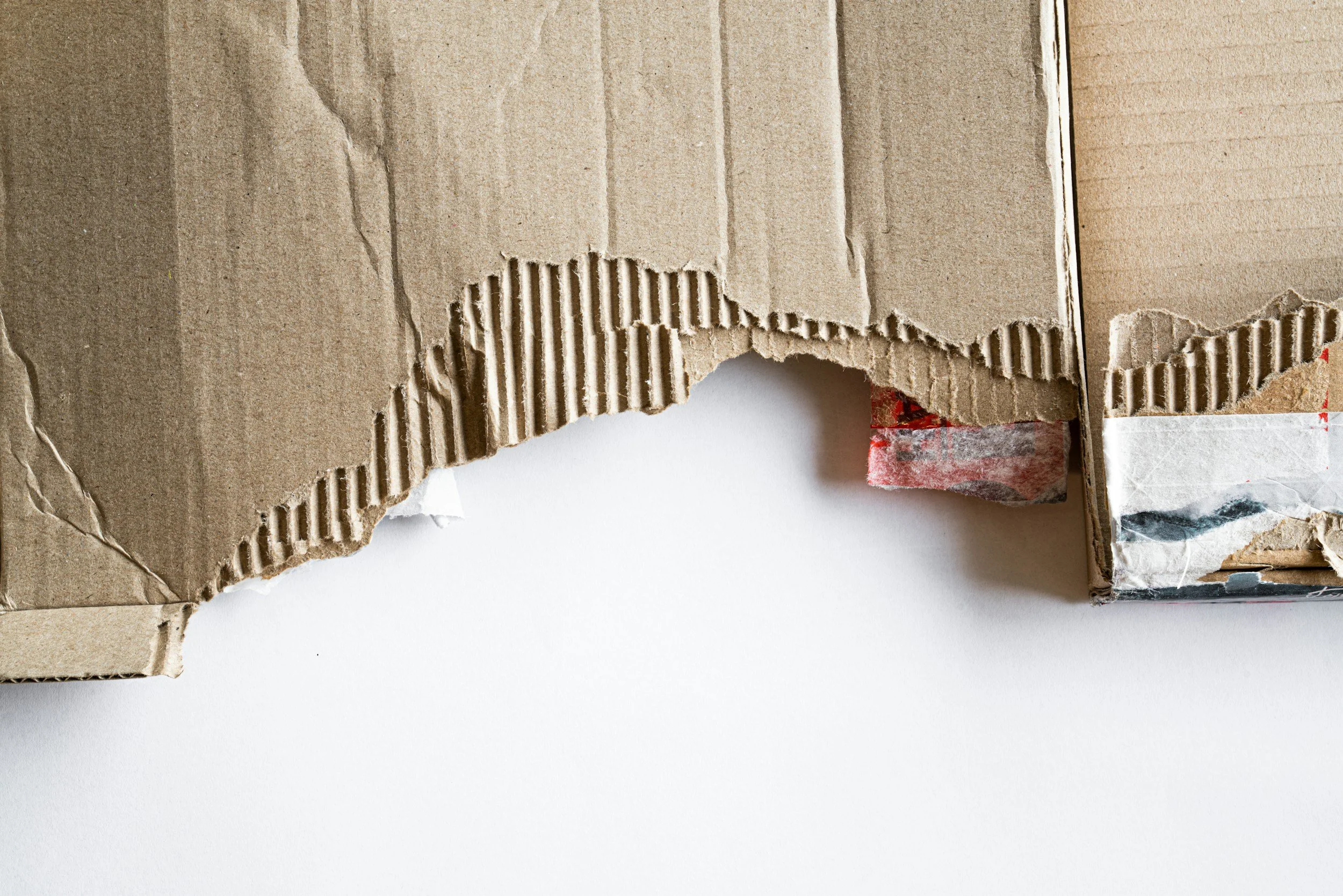
An online order may arrive broken, incomplete, counterfeit, or entirely different from the product shown on the website. When that happens, acting quickly and keeping clear records can make it easier to obtain a replacement or refund.
Return policies and consumer laws vary, but buyers should generally start with the seller, preserve evidence, and watch any deadlines for marketplace or payment disputes.
Inspect the Package Before Throwing Anything Away
Open the order carefully and keep the packaging until the problem is resolved. A seller, shipping company, marketplace, or payment provider may ask for photographs of the box, shipping label, protective materials, and product.
Document:
The outside of the package
Dents, tears, water damage, or broken seals
The shipping label and tracking number
The packing slip
How the product was packed
Every damaged area
Serial, model, or identification numbers
Missing parts or accessories
The product received beside the order confirmation, when helpful
Take clear photographs in good lighting. A short unboxing video can also be useful, especially for expensive or fragile merchandise, but photographs and written records are still important.
Do not discard the item simply because it appears unusable. The seller may require a return, and disposing of it could complicate the claim.
Stop Using an Item That May Be Unsafe
Do not plug in, charge, assemble, consume, or continue using a product if the damage could make it unsafe.
Use particular caution with:
Swollen, punctured, or leaking batteries
Cracked electrical devices
Damaged power cords
Broken glass
Leaking chemicals
Open food or medicine packaging
Products missing essential safety components
Children’s products with broken or loose parts
Ask the seller or manufacturer for safe handling instructions. Damaged lithium batteries and hazardous materials may require special disposal or shipping procedures, so do not mail them without proper instructions.
Compare the Item With the Original Listing
Save a copy or screenshot of the product page before it changes or disappears.
Compare the delivered item with the seller’s description, including:
Brand and model
Size and dimensions
Color
Material
Quantity
Condition
Included accessories
Technical specifications
Authenticity claims
Delivery contents shown in photographs
Small differences may not justify the same remedy as a substantially different product. However, receiving the wrong model, a used item sold as new, a lower quantity, or a product missing an important advertised feature can support a claim that the order was not delivered as agreed.
Advertisements can change, so saving the listing, order confirmation, and receipt provides a record of what the seller offered at the time of purchase.
Contact the Seller Promptly
Review the seller’s return and damaged-item policy, then report the problem through an official customer-service channel.
Include:
The order number
Delivery date
A concise description of the problem
Photographs or video
The exact remedy requested
A reasonable response deadline when appropriate
Specify whether you want a replacement, repair, full refund, or partial refund. A replacement may be practical for a readily available item, while a refund may make more sense when the seller sent the wrong product or the item is no longer needed.
Keep the communication factual. For example:
Order 12345 arrived on October 8 with a cracked housing and will not power on. The attached photographs show the damaged package and product. Please provide a prepaid return label and issue a full refund to the original payment method.
Use the seller’s website or app rather than contact information sent through a suspicious message.
Ask Who Will Pay for the Return
Return shipping can be expensive, particularly for furniture, appliances, or international orders. Before sending anything, ask the seller to confirm in writing:
The correct return address
Whether a prepaid label will be provided
Whether the item must be shipped or can be picked up
Whether restocking or return fees will be charged
The deadline for returning it
Whether original packaging is required
When the refund or replacement will be processed
Do not pay for an expensive return based only on a vague promise of reimbursement. If the seller requires the buyer to pay, request written confirmation of the amount that will be reimbursed.
Use tracking and keep the shipping receipt. For a valuable item, consider signature confirmation or insurance if the seller’s instructions do not already provide them.
Use the Marketplace’s Buyer-Protection Process
When an order was placed through an online marketplace, the platform may offer its own dispute process. This can be separate from contacting the individual seller.
Check the marketplace account for a button such as:
Report a problem
Item not as described
Request a return
Damaged item
Missing parts
Open a claim
Marketplace deadlines may be short. Do not let repeated promises from the seller cause the buyer-protection window to expire.
Keep all communication inside the platform when possible. A seller who asks the buyer to move the conversation to private text messages, pay additional money outside the platform, or close a dispute before receiving a refund may be avoiding marketplace protections.
Never mark an issue as resolved until the promised refund or replacement has actually arrived.
Consider a Credit Card Dispute
If the seller refuses to correct the problem, contact the credit card issuer and ask about disputing the charge.
The Consumer Financial Protection Bureau explains that receiving merchandise that was not delivered as agreed can qualify as a billing error in certain circumstances. To protect federal billing-error rights, a consumer generally must send a written notice to the credit card company within 60 calendar days after the charge first appeared on the statement.
Follow the dispute instructions on the billing statement. The address for billing disputes may be different from the address used for payments.
A written notice should include:
The cardholder’s name and address
Account information
The disputed amount
The transaction date
The seller’s name
An explanation of what was ordered and what arrived
Copies of supporting records
Continue paying undisputed portions of the bill on time. Do not assume that opening an online dispute automatically satisfies every legal notice requirement.
A chargeback is not guaranteed. The issuer will review the evidence and may ask whether the buyer attempted to resolve the problem with the seller.
Debit Cards and Other Payment Methods Work Differently
Debit-card protections are not identical to credit-card billing-error protections. A bank may offer a dispute process through its account agreement or payment network, but deadlines and available remedies can differ.
Buy now, pay later services, digital wallets, payment apps, and online payment processors may have their own buyer-protection rules. Review the provider’s dispute procedure immediately.
If a payment was made with a gift card, wire transfer, cryptocurrency, cash-transfer app, or another difficult-to-reverse method, recovering money may be harder. Contact the payment provider promptly and be alert for anyone demanding an additional fee to release a refund.
What If the Seller Sent an Unordered Product?
Receiving the wrong item while expecting an order is different from receiving merchandise that was never ordered at all.
Federal law generally does not require a consumer to pay for unordered merchandise. However, do not assume an obviously mistaken delivery is automatically a free item. It may belong to another customer or have been delivered to the wrong address.
Check the name and address on the label. If the package is addressed to someone else, contact the carrier or seller and follow appropriate return instructions. Do not open mail or packages addressed to another person.
When the seller sent the wrong product in fulfillment of an actual order, report it as an incorrect item and request the proper product or a refund.
If the Order Never Arrives
The FTC’s Mail, Internet, or Telephone Order Merchandise Rule applies to most goods ordered online, by mail, or by phone. A seller generally must ship within the time promised or, if no time was stated, within 30 days.
If shipping is delayed, the seller generally must seek the buyer’s consent to the delay or provide the option to cancel for a prompt refund. If the seller does not ship the merchandise, it must provide a refund rather than requiring the customer to accept store credit.
These shipping rules are useful when an order never arrives, but they do not replace the need to review return policies and state law for damaged or incorrect products that were delivered.
Escalate the Complaint When Necessary
If the seller, marketplace, and payment provider do not resolve the issue, consider filing a complaint with:
The state attorney general
A state or local consumer protection agency
The Federal Trade Commission
Econsumer.gov for a seller located outside the United States
An appropriate licensing or regulatory agency for regulated products
A complaint does not guarantee reimbursement, but it creates a record and may help regulators identify repeated misconduct.
For a significant financial loss, consider speaking with a consumer-law attorney or legal aid organization. Small claims court may also be an option, depending on the amount, seller’s location, contract terms, and applicable law.
A Practical Order-Problem Checklist
When an order arrives damaged or incorrect:
Stop using it if there is a possible safety risk.
Photograph the package, label, packing materials, and product.
Save the listing, receipt, confirmation, and tracking record.
Keep the item and packaging.
Notify the seller promptly.
Request a specific remedy in writing.
Obtain return instructions and a prepaid label when available.
Preserve tracking and proof of delivery for any return.
Open a marketplace claim before its deadline.
Contact the payment provider if the seller refuses to help.
Send any required credit-card billing notice within the applicable deadline.
Keep the dispute open until the refund or replacement is complete.
The Bottom Line
A damaged or incorrect online order should be documented immediately. Preserve the product and packaging, save the original listing, contact the seller in writing, and request a clear remedy.
If the seller does not cooperate, use the marketplace and payment-provider dispute procedures before their deadlines expire. Credit-card users should pay particular attention to the federal 60-day written-notice period for certain billing errors.
This article provides general information about U.S. consumer protections and is not individualized legal advice. Rights, remedies, seller obligations, and dispute procedures can vary by state, payment method, marketplace, and transaction.
