
What to Do When a Package Is Lost, Stolen, or Marked Delivered but Never Arrived
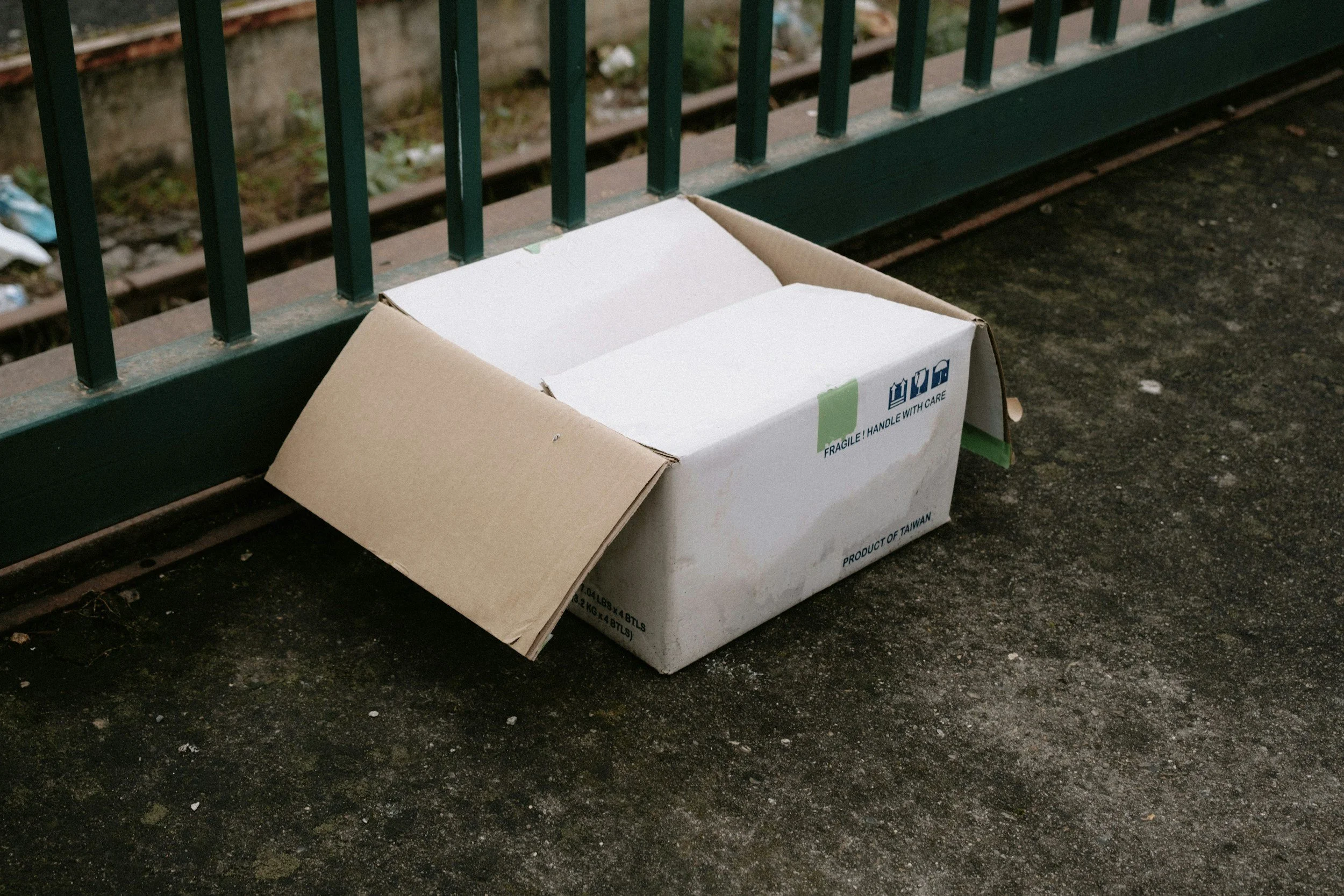
A missing package can involve several different problems. It may still be moving through the carrier’s network, delivered to the wrong address, stolen after delivery, or never shipped by the seller.
The distinction matters because the seller, carrier, payment provider, and law enforcement agency handle different parts of the problem. Start with a quick search, then create a written record and escalate before claim or payment-dispute deadlines expire.
Confirm the Shipping Information
Open the order confirmation and verify:
The complete delivery address
Apartment or unit number
Tracking number
Carrier
Seller’s promised shipping date
Expected delivery date
Number of packages in the order
Whether signature service was requested
Whether the order was shipped by the retailer or a marketplace seller
Some orders arrive in separate packages. A “delivered” email may refer to only one part of a larger order.
Take screenshots of the order page and tracking history. Carrier details can change or disappear after time passes.
If Tracking Says Delivered
A delivered scan does not always mean the package is at the front door. Check:
Side and rear entrances
Mailbox or parcel locker
Building lobby or mailroom
Reception or leasing office
Garage or sheltered area
Other household members
Neighbors with similar addresses
Any delivery photograph
Read the exact tracking description. It may identify a mailbox, parcel locker, front desk, or other delivery location.
Carriers sometimes scan packages before the customer finds them, so a short wait may resolve the issue. However, do not wait so long that a seller, carrier, or card-dispute deadline becomes difficult to meet.
If the package is still missing, contact the carrier and seller. Ask the carrier to open a trace and check available delivery information, which may include scan details, coordinates, a photograph, or notes from the driver.
Contact the Seller Promptly
Tell the seller that the order was not received and provide:
Order and tracking numbers
Delivery address
Date the package was marked delivered
Results of your search
Carrier case number
Relevant photographs or security footage
The remedy requested
Ask for a replacement or refund under the seller’s delivery policy. Keep the conversation in writing when possible.
Do not allow the seller and carrier to send you back and forth indefinitely. The seller selected or offered the shipping method and may need to file an insurance claim as the shipper. Carrier rules determine who is permitted to submit a particular claim.
If the Package Is Delayed or Lost in Transit
Tracking that has not updated for several days may indicate a delay rather than confirmed theft.
For USPS shipments, begin by checking the tracking status. USPS provides an online help-request process and a Missing Mail search. Current USPS guidance allows a Missing Mail search request starting seven days after the original mailing date.
Insured shipments may also qualify for a claim. Filing windows and required documents vary by service. Save:
Proof of mailing or purchase
Tracking information
Evidence of the item’s value
Insurance details
Correspondence with the sender and carrier
Other carriers have their own tracing and claim procedures. Review the current rules instead of assuming that all companies use the same deadline.
The Seller’s Federal Shipping Duties
The Federal Trade Commission’s Mail, Internet, or Telephone Order Merchandise Rule applies to most products ordered online, by mail, or by phone.
A seller generally must ship within the time it promised. If it stated no shipping time, it generally must ship within 30 days. When shipment is delayed, the seller must notify the customer and offer the choice of accepting the delay or canceling for a full refund.
If the seller does not ship the order, it must provide a full refund rather than only store credit or a gift card.
This rule focuses on whether and when the seller shipped the merchandise. A dispute involving a carrier’s delivery scan or theft after delivery may require additional analysis under the sales agreement, carrier policy, payment protections, and state law.
If You Suspect Package Theft
Look for evidence before concluding that the package was stolen. Check doorbell cameras, building cameras, delivery photographs, and neighbors’ systems where appropriate.
If theft appears likely:
Notify the seller and carrier.
Save tracking and delivery records.
Preserve video before it is overwritten.
File a police report if appropriate.
Report theft of USPS mail to the U.S. Postal Inspection Service.
Ask building management whether other thefts were reported.
Change delivery arrangements for future orders.
The Postal Inspection Service accepts reports of suspected mail and package theft online and at 1-877-876-2455. Call 911 if a theft is actively occurring or there is an immediate safety threat.
For packages delivered by a private carrier, contact that carrier and local law enforcement where appropriate.
A police report does not guarantee reimbursement, but a seller, carrier, insurer, or payment provider may request the report number.
Review Purchase and Insurance Protections
Possible sources of reimbursement include:
The seller’s delivery guarantee
A marketplace buyer-protection program
Carrier insurance
Shipping protection purchased with the order
Credit-card purchase protection
Renters or homeowners insurance
Coverage terms vary. Renters and homeowners policies may have deductibles that make a claim impractical for a lower-value package.
Determine whether the seller, recipient, or shipper must file the carrier claim. Do not purchase replacement merchandise until you understand whether doing so could affect the requested remedy.
Dispute a Credit Card Charge When Appropriate
If merchandise was not received and the seller refuses to provide a reasonable solution, contact the credit-card issuer promptly.
The Consumer Financial Protection Bureau explains that being charged for merchandise not received or accepted can qualify as a billing error. To protect federal rights, send a written billing-error notice within 60 calendar days after the issuer sent the statement on which the charge first appeared.
The billing-dispute address may be different from the address used for payments. Include:
Your name and account information
Transaction date and amount
Seller’s name
A statement that the merchandise was not received
Order and tracking records
Communications with the seller
Carrier case information
Continue paying undisputed portions of the credit-card bill on time.
An online or telephone dispute may begin the process, but written notice within the federal deadline is important for preserving billing-error rights.
Debit Cards and Other Payment Services
Debit-card procedures and legal protections differ from credit-card billing-error rules, particularly when the shopper authorized the original purchase but the merchandise did not arrive.
Contact the bank immediately and ask whether the card network provides a merchandise-not-received dispute. Follow the institution’s instructions and preserve written records.
Payment services, marketplaces, and buy now, pay later providers may have separate buyer-protection programs with short filing periods. Open the dispute through the correct service before its deadline.
Do not describe an authorized purchase as card fraud merely because the package did not arrive. Explain accurately that the transaction was authorized but the merchandise was not received.
What If the Seller Provides Proof of Delivery?
Ask to review the evidence. Confirm whether it shows:
The correct address
The correct building or door
A recognizable delivery photograph
A valid signature
The recipient’s name
The time and location of the delivery scan
The package’s stated weight
A scan showing delivery to the wrong address supports a misdelivery claim. A photograph showing the correct doorstep may instead suggest theft after delivery.
If the seller denies the claim based only on a tracking status, respond with the carrier case number, photographs of the property, evidence that the delivery image is incorrect, or other available documentation.
Report a Seller That Will Not Ship or Refund
If the seller never shipped the merchandise, misrepresented the tracking information, or refuses a refund required under applicable law, consider reporting the matter to:
The Federal Trade Commission at ReportFraud.ftc.gov
The state attorney general
A state or local consumer-protection agency
The marketplace hosting the seller
The Consumer Financial Protection Bureau if a financial institution mishandles a qualifying payment dispute
A report does not guarantee an individual refund, but it helps regulators and platforms identify repeated misconduct.
Reduce the Risk of Future Loss
For valuable or time-sensitive orders, consider:
Requiring a signature
Using a carrier pickup location
Directing packages to a staffed workplace where permitted
Using a secure parcel locker
Scheduling delivery for a day someone will be present
Requesting a temporary mail hold
Collecting packages promptly
Avoiding public delivery instructions that reveal an empty home
Keep order confirmations and receipts until the merchandise arrives and has been inspected.
A missing package is easiest to resolve when the evidence is preserved early. Check the delivery location, contact the seller and carrier, open the correct claim, and watch payment-dispute deadlines. The tracking label alone does not always tell the complete story.
This article provides general consumer information and is not individualized legal advice. Delivery obligations, risk of loss, insurance coverage, and consumer remedies may vary by state, contract, carrier, seller, and payment method.
