
What Are Your Rights When a Flight Is Delayed or Canceled?
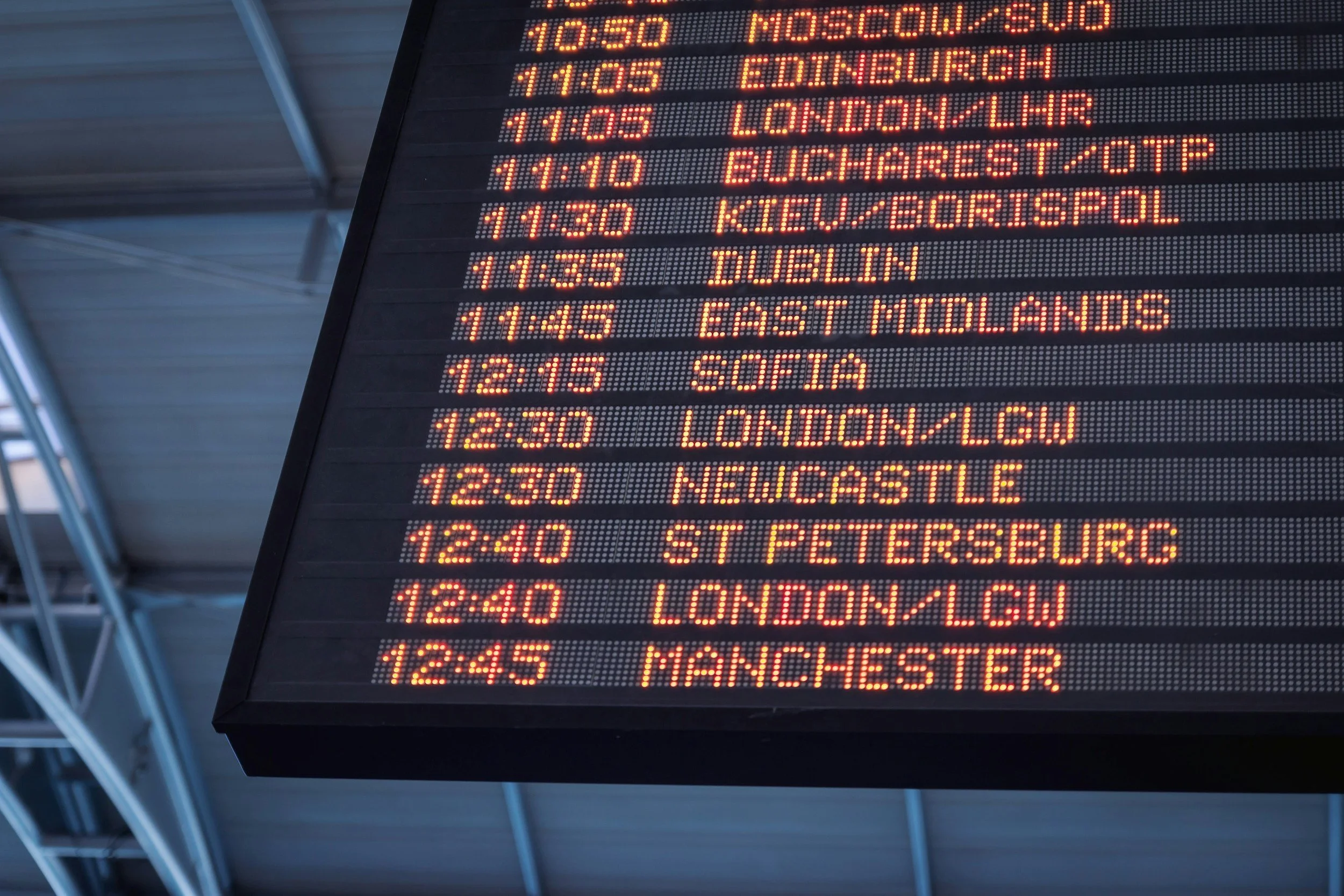
A delayed or canceled flight does not automatically entitle every passenger to cash compensation, meals, or a hotel. In the United States, the available remedy depends on what happened, whether the passenger still travels, and the airline’s own commitments.
This article provides general information about U.S. passenger protections, not individualized legal advice. International flights may also be covered by the laws of another country.
You Can Choose a Refund After a Cancellation
If an airline cancels your flight for any reason and you decide not to travel, you are entitled to a refund. This protection applies even to tickets described as nonrefundable.
The airline may offer another flight, a voucher, or frequent-flyer miles, but you do not have to accept those alternatives. Once you accept rebooking and take the replacement flight, you generally give up the right to a full ticket refund under this rule.
Refunds must generally include the unused airfare, government taxes, and airline-imposed fees. They should be returned to the original payment method rather than issued as a voucher unless you affirmatively choose another form of compensation.
A Significant Delay Can Also Qualify
A routine delay does not necessarily create a refund right. Under current Department of Transportation standards, a change is considered significant when it results in:
Arrival at least three hours late on a domestic itinerary
Arrival at least six hours late on an international itinerary
Departure at least three hours earlier domestically or six hours earlier internationally
A different origin or destination airport
Additional connections
An involuntary downgrade to a lower class
Certain accessibility-related changes for a passenger with a disability
If a flight is significantly changed and you decline the altered or replacement itinerary, you are entitled to a refund. If you take the delayed or alternative flight, a full refund is generally no longer required.
An involuntarily downgraded passenger who still travels should receive the difference between the original fare and the lower-class fare.
Refunds Should Be Automatic and Prompt
When a ticket was purchased directly from the airline, the refund should be issued automatically after the passenger rejects the alternative or does not respond and does not travel.
Refunds are generally due within seven business days for credit card purchases and 20 calendar days for other payment methods.
For tickets purchased through a travel agent or booking website, check the card statement to identify the merchant of record. The merchant of record is generally responsible for issuing the airfare refund.
Meals and Hotels Are Not Always Required
U.S. law does not provide a general right to meals, lodging, or cash compensation every time a flight is delayed or canceled.
Many airlines have voluntarily promised specific assistance when the disruption is within their control. Examples of controllable problems include maintenance, crew scheduling, fueling, baggage loading, or cabin cleaning. Depending on the airline’s policy, assistance may include:
Rebooking on the same airline
Rebooking on another airline
A meal voucher after a qualifying wait
Hotel accommodations for an overnight disruption
Transportation between the airport and hotel
Weather, air traffic control restrictions, security events, and similar conditions are generally outside an airline’s control. Airline commitments frequently exclude these situations.
Check the DOT Airline Cancellation and Delay Dashboard and the carrier’s customer-service plan. The Department can hold an airline accountable for commitments included in that plan.
Ask Before Paying for Expenses
If an overnight stay or long wait appears likely, ask an airline representative what the carrier will provide before booking a hotel, meal, or ground transportation yourself.
An airline may refuse to reimburse expenses purchased independently, particularly during a weather disruption. If no voucher is available, save itemized receipts and ask whether reimbursement can be requested later.
Travel insurance and some credit cards provide trip-delay or interruption benefits, but coverage limits, waiting periods, and exclusions vary. Keep boarding passes, delay notices, receipts, and written confirmation of the reason for the disruption.
Tarmac Delays Have Separate Rules
Different protections apply when passengers are kept aboard an aircraft on the ground at a U.S. airport.
Airlines generally must begin moving the plane to a place where passengers can safely get off before a tarmac delay reaches:
Three hours for a domestic flight
Four hours for an international flight
Safety, security, and air traffic control exceptions may apply.
During the delay, airlines generally must provide a snack and drinking water no later than two hours after the delay begins, unless providing service would be unsafe or insecure. Working toilets, appropriate cabin temperatures, and adequate medical attention must also be available.
If passengers are offered an opportunity to leave the aircraft, the airline is not necessarily required to let them board again. The flight may depart without anyone who chooses to get off.
Optional Fees May Be Refundable
A passenger is entitled to a refund of an optional service fee when the airline fails to provide the purchased service through no fault of the passenger. This can include fees for Wi-Fi, seat selection, entertainment, or another add-on that was unavailable.
Checked-bag fees may also be refundable when a bag is lost or significantly delayed. DOT generally considers a bag significantly delayed when it is not delivered within:
12 hours after a domestic flight arrives
15 hours after an international flight of 12 hours or less
30 hours after a longer international flight
File a mishandled-baggage report promptly. Separate rules may allow reimbursement for reasonable incidental expenses caused by delayed luggage.
Take Practical Steps During a Disruption
When a flight changes:
Save the airline’s email, text, or app notification.
Check the airline app for rebooking options while waiting for assistance.
Decide whether you want to continue traveling or receive a refund.
Ask whether the cause is considered controllable.
Request available meal, hotel, or transportation vouchers.
Record confirmation numbers and representatives’ names.
Keep receipts and screenshots of the original and revised itineraries.
Avoid accepting a voucher without checking its expiration date and restrictions.
If the airline does not provide a required refund or honor a written commitment, first submit a complaint to the carrier. An unresolved complaint can then be filed with the Department of Transportation’s Office of Aviation Consumer Protection.
International passenger-rights laws may provide additional compensation for qualifying flights. Coverage can depend on the departure location, destination, operating airline, cause of the disruption, and length of the delay.
