
Can a Landlord Charge You for Normal Wear and Tear? What Renters Should Document
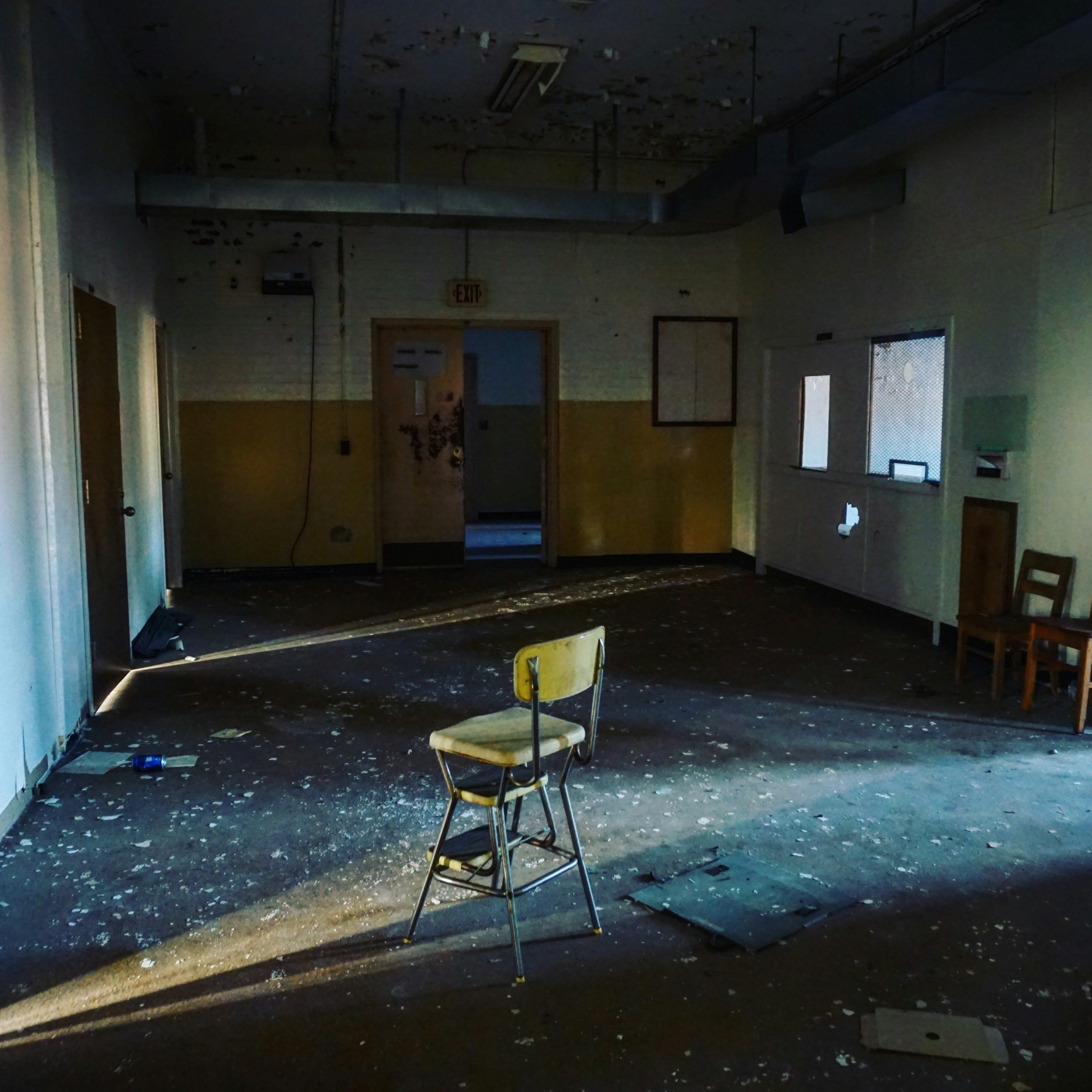
In many states, a landlord cannot deduct money from a security deposit for normal wear and tear. A landlord may generally charge for damage caused by a tenant, household member, guest, or pet, but the line between ordinary aging and chargeable damage is not always obvious.
The rules for deposits, inspections, documentation, and refund deadlines vary by state and sometimes by city. Renters should review the law where the property is located rather than relying only on the lease or a general checklist.
What Is Normal Wear and Tear?
Normal wear and tear is the gradual deterioration that occurs when a rental home is used for its intended purpose. It results from ordinary use, age, and exposure rather than carelessness, abuse, or neglect.
Possible examples include:
Minor scuffs on walls
Lightly worn carpet in frequently used areas
Faded paint or flooring
Loose door handles caused by regular use
Small nail holes from ordinary decorating, depending on the lease and local law
Aging caulk or grout
Sun-faded curtains or blinds
Appliances wearing out through normal use
No single list applies in every jurisdiction. The length of the tenancy, age of the item, condition at move-in, and seriousness of the deterioration can all affect whether something is considered ordinary wear.
What May Count as Tenant-Caused Damage?
Damage is usually more than the expected decline caused by careful, ordinary use. It may result from an accident, misuse, unreasonable neglect, or a lease violation.
Examples may include:
Large holes or gouges in walls
Broken doors, windows, or fixtures
Burns, large stains, or tears in carpet
Missing appliances or fixtures
Water damage caused by failing to report a known leak
Pet damage to flooring, trim, or doors
Unauthorized paint or alterations that must be corrected
Excessive filth requiring cleaning beyond ordinary turnover
Broken locks or missing keys
A renter is not necessarily responsible for every problem discovered after moving out. The landlord generally must consider whether the condition existed before the tenancy, resulted from ordinary aging, or was caused by the tenant or someone for whom the tenant was responsible.
Can a Landlord Charge for Painting?
Whether a landlord can charge for painting depends on why the work is needed.
Routine repainting between tenants may be part of normal property maintenance. Faded paint, minor scuffs, and the effects of aging are more likely to be treated as ordinary wear.
A charge may be more defensible when a tenant leaves major stains, extensive drawings, unauthorized colors, smoke damage, or large areas of damaged drywall. The amount may still need to be reasonable and connected to the work required.
The age of the existing paint can matter. Charging a departing tenant the full price of a new paint job may be questionable if the walls already needed repainting because of age. State law may address depreciation, reasonable cost, or the remaining useful life of an item.
Can a Landlord Charge for Carpet Replacement?
Ordinary carpet wear—such as flattening in walkways or fading over time—is generally different from damage such as burns, large permanent stains, pet urine, or torn sections.
Even when a tenant causes damage, replacing the carpet does not always justify charging the full price of brand-new flooring. Some courts and agencies consider the carpet’s age and remaining useful life.
For example, if an older carpet was already close to the end of its expected life, the tenant may dispute a deduction that requires paying the entire cost of a new replacement. How depreciation is calculated varies by jurisdiction and by the evidence available.
Cleaning Charges Depend on Condition and Local Law
A landlord may be able to deduct reasonable cleaning costs when a renter leaves the property significantly dirtier than it was at move-in. However, rules differ regarding routine cleaning, mandatory carpet cleaning, and charges written into a lease.
Useful questions include:
Was the area clean when the tenant moved in?
Is the cleaning needed because of ordinary use or excessive dirt?
Does the lease impose a lawful cleaning obligation?
Was the work actually performed?
Is the amount reasonable?
Does state or local law restrict automatic or preset cleaning fees?
For certain HUD-subsidized properties, federal guidance states that owners may not charge residents move-out cleaning fees for normal wear and tear. State landlord-tenant law may provide additional protection.
Document the Property Before Moving In
The best time to prepare for a security-deposit dispute is at the beginning of the tenancy.
Before moving furniture into the property:
Photograph every room from several angles.
Take close-up photographs of stains, scratches, holes, chips, and broken items.
Record a slow video showing floors, walls, ceilings, appliances, cabinets, and fixtures.
Test lights, faucets, toilets, locks, windows, smoke alarms, and supplied appliances.
Complete the landlord’s move-in condition checklist.
Add problems that are missing from the checklist.
Send the landlord written notice of existing damage.
Keep the lease, deposit receipt, checklist, photographs, and correspondence together.
Photographs should be clear enough to show the condition and location of each issue. Preserve the original files when possible because their dates and other information may help establish when they were taken.
Some states make the move-in checklist especially important. Washington law, for example, generally requires a written checklist describing the condition of specified items when a landlord collects a security deposit.
Report Problems During the Tenancy
Tenants should report leaks, mold, malfunctioning appliances, pests, electrical problems, and other maintenance concerns promptly in writing.
A dated message can show that the renter:
Notified the landlord before the problem became worse
Did not cause the underlying defect
Requested repairs
Took reasonable steps to prevent further damage
Keep copies of maintenance requests, photographs, inspection notices, and the landlord’s responses. If a phone conversation occurs, a short follow-up email summarizing it can create a clearer record.
Tenants should not perform major repairs or deduct repair costs from rent without checking local law. Repair-and-deduct remedies have specific requirements and are not available in every situation.
Document the Condition Before Moving Out
After removing belongings and cleaning the rental, take a new set of photographs and video.
Document:
Every room
Walls and flooring
The inside of cabinets and closets
Appliances
Bathrooms
Windows and doors
Patios, balconies, yards, or garages included in the rental
Keys, remotes, and other items being returned
Utility meter readings when relevant
Use similar angles to the move-in photographs. Side-by-side images can help show whether a condition was already present or resulted from normal aging.
Where available, request a pre-move-out inspection. Some states give tenants a specific right to an inspection or an opportunity to correct identified issues before leaving. Even where it is not legally required, the landlord may agree to conduct one.
Ask for a signed move-out checklist or written confirmation that possession and keys were returned. Provide a forwarding address using a method that creates a record.
Review Every Security-Deposit Deduction
State law commonly requires landlords to return the remaining deposit and provide an itemized statement within a particular period. The deadline and required supporting documents vary.
When a deduction arrives, compare it with:
The move-in checklist
Move-in and move-out photographs
Maintenance requests
The lease
Receipts or estimates supplied by the landlord
The age and original condition of the damaged item
State and local security-deposit rules
Watch for charges involving preexisting damage, routine aging, work that was not performed, inflated repair costs, or complete replacement when a smaller repair would have been sufficient.
A landlord generally should not receive a windfall by using a renter’s deposit to replace an old item with a new one at the renter’s full expense. Whether and how costs must be prorated depends on local law.
How to Dispute a Deduction
If a deduction appears improper, send the landlord a concise written dispute. Identify each challenged charge, explain why it represents normal wear, preexisting damage, or an unreasonable amount, and attach supporting records.
The letter can request:
The remaining deposit
An itemized explanation
Photographs of the claimed damage
Invoices, receipts, or estimates
The age of a replaced item
An explanation of any depreciation calculation
Set a reasonable response date and keep proof of delivery.
If the dispute remains unresolved, possible options may include a state or local housing agency, consumer protection office, mediation service, legal aid organization, or small claims court. Available remedies and filing deadlines vary by jurisdiction.
The Bottom Line
A landlord generally should not charge a renter for deterioration caused by ordinary use and aging. Damage caused by carelessness, abuse, neglect, guests, or pets may be deductible, but the charge should comply with the lease and applicable law.
The strongest protection is a clear record. Renters should document the home at move-in, report maintenance issues in writing, photograph the property after cleaning, retain proof that keys were returned, and examine every deduction promptly.
This article provides general information about U.S. rental rules and is not individualized legal advice. Security-deposit laws, definitions, deadlines, and remedies vary by state and local jurisdiction.
