
What Renters Should Know About Repairs and Habitability
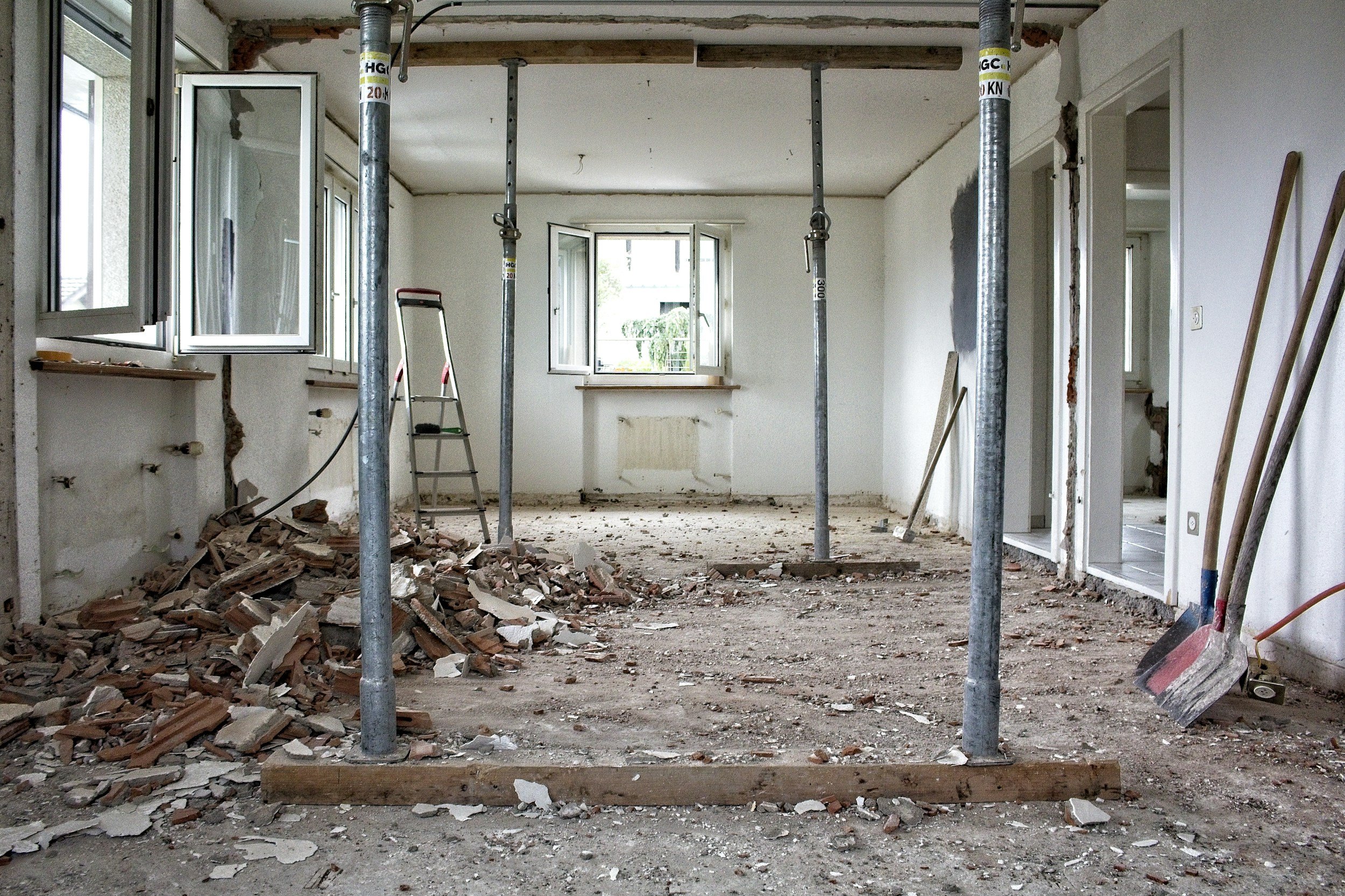
Landlords generally must keep residential rental property safe and fit to live in, but not every maintenance complaint is legally a habitability problem. The difference matters because serious health and safety defects may give tenants remedies that are unavailable for cosmetic or minor issues.
Landlord-tenant law varies substantially by state and city. This article provides general U.S. information, not individualized legal advice.
What Habitability Usually Covers
Most states recognize an implied warranty of habitability through statutes, court decisions, or both. This generally means that residential property must substantially comply with housing and building requirements affecting health and safety.
Potential habitability problems can include:
No running water or reliable hot water
Inadequate heat during legally required periods
Dangerous electrical wiring
Serious plumbing or sewage problems
Major roof or structural defects
Unsafe floors, stairs, or railings
Broken exterior locks
Significant rodent or insect infestations
Missing or nonworking required smoke or carbon monoxide alarms
Severe moisture or mold conditions affecting health or safety
Conditions that expose tenants to weather
Exact requirements vary. Air conditioning, for example, is not legally required in every jurisdiction, although local codes, the lease, or extreme-temperature rules may require it in some locations.
A chipped countertop, stained carpet, or outdated appliance may need maintenance without making the home legally uninhabitable. The severity, duration, applicable code, and effect on health or safety all matter.
The Landlord Must Usually Receive Notice
A landlord generally needs notice of a problem and a reasonable opportunity to repair it. What is reasonable depends on the condition. A gas leak or loss of heat in dangerous weather requires a much faster response than a loose cabinet handle.
Report problems as soon as they appear. Follow any repair procedure in the lease, but also provide written notice that identifies:
The condition and its location
When it began
How it affects use of the home
Any immediate safety concern
Previous attempts to report it
A request for inspection and repair
Send the notice to the landlord, property manager, or designated maintenance contact. Keep a copy and proof of delivery. If the first report is made by phone or through an online portal, preserve the confirmation and follow up in writing.
For an immediate threat such as fire, suspected gas leakage, carbon monoxide, or exposed live wiring, leave the dangerous area and contact the appropriate emergency service or utility provider.
Document the Condition
Take dated photographs and videos showing the defect and its effect on the unit. Maintain a timeline of notices, responses, repair visits, and changes in the condition.
Also preserve:
Emails, letters, texts, and maintenance requests
Inspection reports
Names of contractors or building employees
Temperature readings when heat is involved
Receipts for necessary expenses
Medical documentation when relevant
Photographs taken before and after attempted repairs
Do not alter or damage the property to create evidence. Give the landlord reasonable access to inspect and make repairs, subject to applicable entry-notice laws.
Tenants Also Have Responsibilities
Tenants generally must keep the unit reasonably clean, dispose of waste properly, use plumbing and electrical systems appropriately, report serious defects, and avoid intentionally or negligently damaging the property.
A landlord may charge a tenant for damage caused by the tenant, household members, guests, or pets. That is different from ordinary wear, aging equipment, structural failure, or a condition the landlord is legally required to correct.
Even when a tenant caused one problem, the landlord may remain responsible for unrelated habitability conditions. Responsibility should be evaluated defect by defect.
Contact Local Code Enforcement
If written requests do not produce a response, contact the local building, housing, health, or code-enforcement agency. The appropriate office may inspect the property, document violations, and order repairs.
Ask for a copy of the inspection report and any violation notice. An official report can be important if the landlord later disputes the condition.
Residents of public housing, federally assisted multifamily housing, or a Housing Choice Voucher property may also have reporting options through the public housing agency, property administrator, or HUD. Federally assisted housing is subject to program-specific inspection and maintenance standards.
Do Not Withhold Rent Without Checking the Law
Some states permit remedies such as:
Repairing a condition and deducting an authorized amount from rent
Withholding some or all rent
Paying rent into a court or agency escrow account
Seeking a rent reduction or damages
Obtaining a court order requiring repairs
Ending the lease when serious conditions remain uncorrected
These remedies are not universal. Each may require written notice, a specific waiting period, code violations, limits on repair costs, court filings, or other procedures.
Simply stopping rent payments can expose a tenant to late fees, an eviction case, and damage to rental history if the legal requirements were not satisfied. Moving out without following the applicable termination rules can also create a claim for unpaid rent.
Before using rent withholding, repair-and-deduct, or lease termination, consult a local tenant organization, legal-aid office, housing agency, or landlord-tenant attorney.
Understand Retaliation Protections
Many jurisdictions prohibit landlords from retaliating because a tenant made a good-faith repair request, reported a code violation, joined a tenant organization, or exercised another protected right.
Potential retaliation can include an eviction filing, service reduction, improper rent increase, harassment, or refusal to renew. However, the protected activities, time periods, exceptions, and available defenses vary by jurisdiction.
Continue following the lease, paying lawful rent, and documenting communications. Retaliation rules generally do not prevent a landlord from acting for a legitimate, independently supported reason such as unpaid rent or serious lease violations.
Protect Personal Property
A landlord’s property insurance usually does not cover a tenant’s furniture, electronics, clothing, or temporary living expenses. Renters insurance may cover certain losses, but exclusions and deductibles apply.
Notify the insurer promptly if water, fire, smoke, or another covered event damages belongings. Photograph damaged property and take reasonable steps to prevent additional loss without placing yourself in danger.
Do not discard important items until the insurer gives instructions, unless keeping them creates a health or safety risk.
Escalate Carefully
If serious conditions remain unresolved:
Send a final written notice summarizing the problem and earlier reports.
Request a definite inspection or repair date.
Contact the appropriate local enforcement agency.
Review the lease and current state and local law.
Speak with a tenant-rights organization or legal-aid provider.
Preserve rent funds if considering a remedy involving withheld payments.
Respond promptly to any eviction or court notice.
Eviction deadlines can be extremely short. A tenant who receives court papers should not assume that an unresolved repair problem automatically stops the case.
The strongest approach is to report defects promptly, create a clear record, allow lawful access for repairs, and use only remedies authorized in the property’s jurisdiction.
