
Losing heat in a rental can quickly become more than an inconvenience. Cold indoor temperatures may threaten the safety of children, older adults, people with disabilities, and anyone with certain medical conditions. Frozen pipes can also cause extensive property damage.
Heating requirements and repair deadlines vary by state and city. Tenants should report the problem immediately, preserve evidence, and contact local housing authorities when the landlord does not respond.
Address Immediate Safety Concerns First
Do not wait for an ordinary maintenance appointment if the rental is becoming dangerously cold. Consider going to a safe heated location, especially when the household includes someone particularly vulnerable to cold.
The CDC’s guidance on preventing hypothermia identifies warning signs that include:
Persistent or intense shivering
Exhaustion or unusual drowsiness
Confusion or memory loss
Slurred speech
Fumbling hands or poor coordination
Hypothermia is a medical emergency. Call emergency services when someone has serious symptoms or a body temperature below 95°F.
If you smell gas, hear a carbon monoxide alarm, see smoke, or suspect a malfunctioning fuel-burning appliance, leave the property and call emergency services or the gas utility from a safe location. Do not attempt to restart or repair the equipment.
Do Not Use Unsafe Heating Methods
A broken furnace may tempt tenants to improvise, but some alternative heat sources create serious fire and carbon monoxide risks.
Never use a grill, outdoor heater, camp stove, or portable generator inside a home, basement, hallway, or garage. Do not use a cooking oven or stovetop as a substitute for home heating.
If you use an electric space heater, follow the manufacturer’s instructions and current Consumer Product Safety Commission heating guidance. In particular:
Keep the heater at least three feet from curtains, bedding, furniture, and other combustible materials.
Plug it directly into a wall outlet, not an extension cord or power strip.
Place it on a stable surface where it cannot be knocked over.
Turn it off when sleeping or leaving the room.
Keep children and pets away from it.
Confirm that smoke and carbon monoxide alarms are working.
A portable heater may provide temporary warmth, but it does not necessarily satisfy the landlord’s legal responsibility to provide a working heating system.
Check the System Without Attempting Repairs
Before contacting management, check for simple issues that do not require opening or altering equipment:
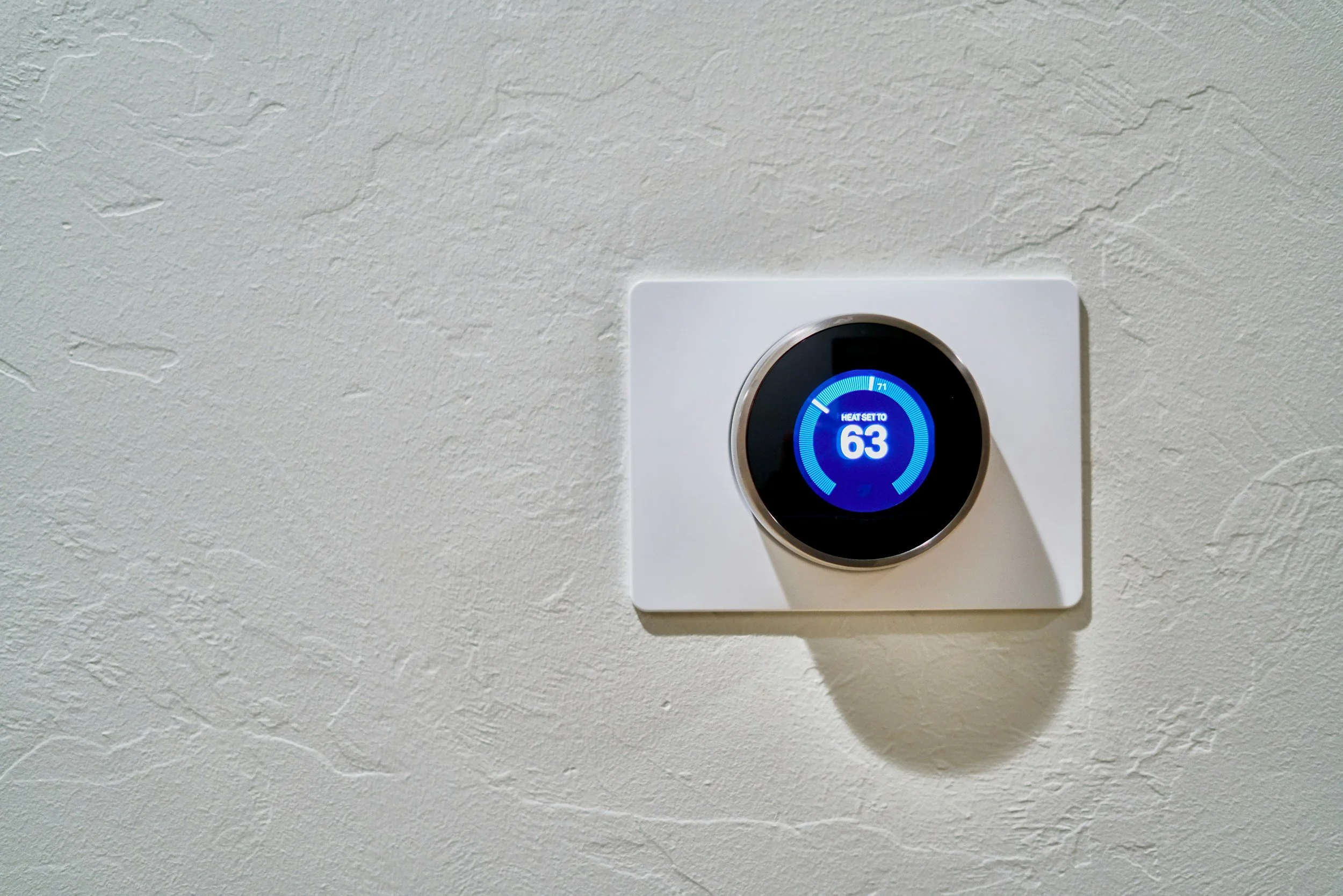
Confirm that the thermostat is set to heat.
Replace thermostat batteries if that is ordinarily the tenant’s responsibility.
Check whether a building-wide outage has been announced.
Confirm that utility service has not been interrupted for an account issue.
Note whether the system runs but produces no warm air.
Check whether the entire rental or only certain rooms are affected.
Do not remove furnace panels, relight equipment unless the manufacturer expressly provides a safe tenant procedure, or perform electrical or fuel-system repairs.
Record the Indoor Temperature
Use a reliable indoor thermometer to create a temperature log. Place it in a normally occupied room, away from direct sunlight, exterior doors, windows, space heaters, and cooking appliances.
Record:
The date and time
Indoor temperature
Outdoor temperature or weather conditions
The room where the reading was taken
Thermostat setting
Whether the heating system was running
Any error code, unusual noise, or odor
Any steps already taken to report the problem
Take photographs showing the thermometer and, when possible, a phone or clock that establishes the time. Photograph the thermostat setting and any visible equipment error code.
A personal thermometer does not replace an official inspection, but repeated readings can document the duration and severity of the problem.
Notify the Landlord or Property Manager in Writing
Report the loss of heat immediately using the emergency maintenance number or process listed in the lease. Follow any phone call with a written message through email, text, or the tenant portal.
A clear request might say:
I am reporting that the heating system at [address and unit] is not providing heat. I first noticed the problem at [time and date]. The thermostat is set to [temperature], but the indoor temperature was [temperature] at [time]. The system is [not running/running without producing warm air/showing an error code]. Please treat this as an urgent repair request and confirm when a qualified technician will arrive. Photos and temperature readings are attached.
Include:
Your name, address, and unit number
A callback number
When the problem began
Current temperature readings
Whether children or medically vulnerable occupants are present, if you choose to disclose that
Your availability for lawful repair access
A request for written confirmation and a repair schedule
Save the submission confirmation, screenshots, emails, text messages, and call records.
Review the Lease and Local Heating Rules
Most jurisdictions impose some form of obligation to maintain habitable rental housing, but the details are local. A city housing code may establish a heating season, minimum temperature, measurement method, or different requirements for daytime and nighttime hours.
Check official sources from:
The city or county housing department
Building or code enforcement
The local health department
The state attorney general or housing agency
The public housing authority
A tenant legal-aid organization
USAGov’s tenant-rights directory can help renters locate their state’s official housing and consumer resources.
Do not rely solely on a general internet summary. A minimum-temperature rule from another city or state may not apply to your home.
Escalate an Unanswered Repair Request
If the landlord does not respond promptly, send a written follow-up referencing the original notice. State the current indoor temperature and whether conditions are getting worse.
Depending on local procedures, the next step may be contacting:
Housing or building-code enforcement
A city service line such as 311
The local health department
A public housing authority
A state or local consumer-protection office
A tenant union or legal-aid provider
Ask whether the agency accepts emergency no-heat complaints, whether an inspector can visit, and what evidence you should provide. Record the complaint number, inspector’s name, appointment time, and outcome.
Residents of public housing or properties receiving certain federal assistance may also have program-specific options. HUD advises tenants to notify management and lists complaint contacts for assisted housing on its housing assistance and complaint page.
Ask About Temporary Arrangements and Expenses
If repairs cannot be completed promptly, ask management in writing whether it will provide safe temporary heaters, another unit, hotel accommodation, or another temporary arrangement.
Keep receipts for reasonable expenses caused by the outage, including temporary lodging, approved heating equipment, or damaged belongings. Reimbursement is not automatic and depends on the lease, local law, insurance coverage, and circumstances.
Renters insurance may cover certain losses or temporary living expenses, but policies differ. Contact the insurer promptly and ask what documentation is required before incurring major costs.
Be Careful With Self-Help Remedies
Some jurisdictions allow remedies such as rent withholding, repair and deduction, lease termination, or court-ordered repairs under limited conditions. Others restrict these options or require precise notices, waiting periods, inspections, escrow payments, or court filings.
Do not stop paying rent, hire a repair company and deduct the charge, or move out expecting the lease to end automatically without checking applicable law. A procedural mistake may expose a tenant to late fees, collection activity, or eviction proceedings.
A local tenant attorney or legal-aid organization can explain which options apply. Continue documenting rent payments, repair requests, official complaints, and responses from management.
Document Any Retaliation Concerns
Many jurisdictions restrict retaliation against tenants who make good-faith repair requests or contact housing inspectors, but the definition, protected activities, and enforcement process vary.
Save any notices, messages, rent increases, service changes, or threats received after reporting the heating problem. Seek local legal guidance rather than assuming that timing alone proves retaliation.
Keep Records After the Heat Returns
Once the system is repaired, record when heat was restored and take another temperature reading. Ask for a written description of the work if one is available.
Continue monitoring the system for several days. If the heat fails again, refer to the earlier request and repair history in the new report.
Prompt written notice, accurate temperature records, safe temporary measures, and contact with the proper local agency give tenants the strongest practical foundation for seeking a repair.
This article provides general educational information and is not individualized legal or medical advice. Heating standards, repair deadlines, tenant remedies, and retaliation protections vary by state and local jurisdiction.
